Exposure is only part of the camera conversation. Focus determines where attention can settle. White balance shapes how light is interpreted. The file format affects how much flexibility you have afterward. Learn these separately, then let them work together.
Focus mode and focus area do different jobs.
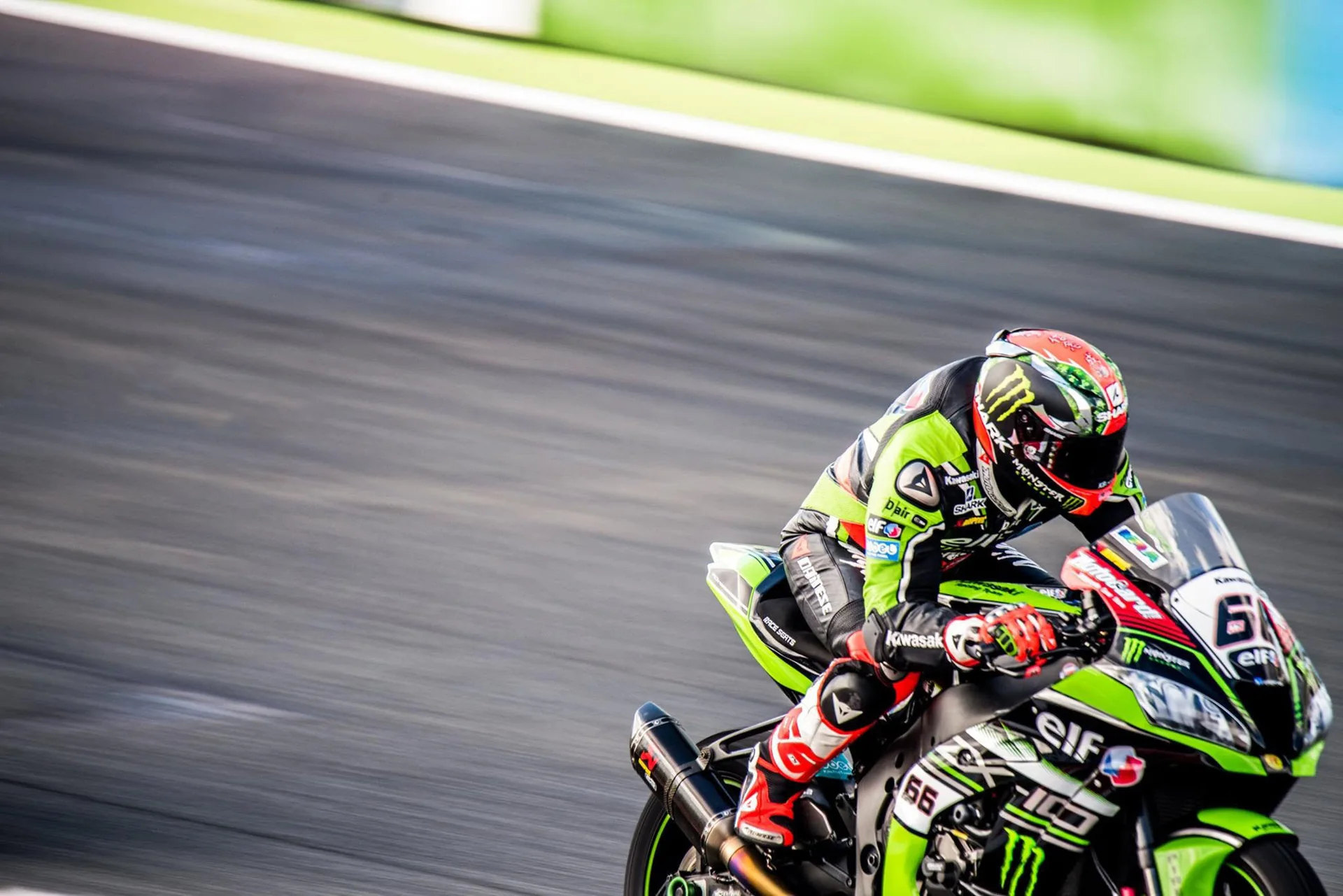
On the Nikon Z 8, AF-S is single autofocus, suited to subjects that remain still; AF-C continues to adjust focus for movement or changing composition. The AF-area setting answers a different question: where should the camera look? A small area offers precise placement, while broader areas and subject detection can help with movement. Detection is assistance, not certainty—inspect the result, especially the eyes in a portrait. Menu names vary between cameras.
White balance is a color decision.
White balance helps neutral objects look neutral under different light sources. Auto is a useful starting point. A preset or a measured reference can make a sequence more consistent, while an intentional warm or cool interpretation can create a mood. Mixed light may still need local adjustments: one setting cannot make every light source identical.
RAW gives latitude; JPEG gives a finished interpretation.
A RAW file retains sensor data for processing with compatible software. A JPEG includes the camera’s rendering choices and is convenient to share, with less room for substantial changes. RAW is not a rescue for missed focus or every clipped highlight. RAW + JPEG can be useful when you want an immediate image and an editable source, at the cost of storage.
Build one small exercise.
Make three portraits in the same light. Keep the composition similar and change only white balance. Compare the mood. Next, keep color fixed and practice moving the focus point. Separating decisions makes it easier to recognize what each control contributes.